
How Can a Truck Filter Improve Engine Performance?
Summary: Proper filtration is crucial for maintaining a truck’s engine efficiency, extending its lifespan, and reducing maintenance costs. This article explores the types, functions, selection tips, and maintenance strategies of truck filters, providing practical insights for fleet managers, truck owners, and automotive professionals.
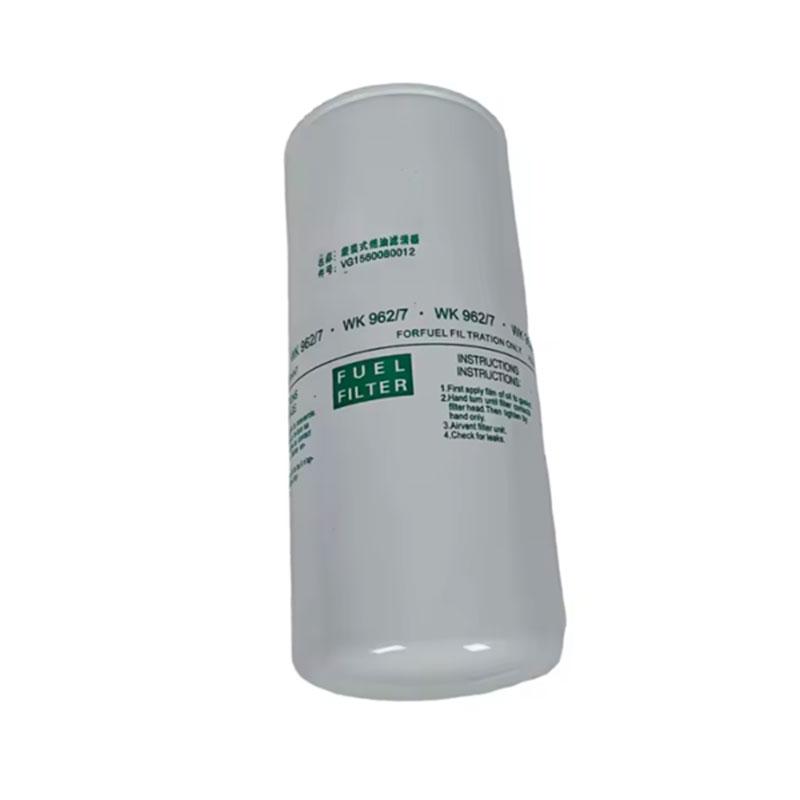
Table of Contents
- Importance of Truck Filters
- Types of Truck Filters
- How to Select the Right Truck Filter
- Maintenance Tips for Truck Filters
- FAQs About Truck Filters
- Conclusion
Importance of Truck Filters
Truck filters play a critical role in protecting engines from contaminants such as dust, dirt, oil particles, and water. These impurities can reduce engine efficiency, increase fuel consumption, and accelerate wear on engine components. Installing high-quality filters ensures that the engine receives clean air, fuel, and oil, which is essential for optimal performance.
- Engine Protection: Prevents abrasive particles from damaging engine components.
- Improved Fuel Efficiency: Reduces engine strain, leading to lower fuel consumption.
- Extended Engine Life: Minimizes wear and tear, increasing engine longevity.
- Reduced Maintenance Costs: Lowers the frequency of engine repairs and replacements.
Types of Truck Filters
Truck filters are specialized components, each designed to target specific types of contaminants. Understanding these types helps in choosing the most suitable filter for a given application.
| Filter Type | Function | Common Applications |
|---|---|---|
| Air Filter | Removes dust, dirt, and debris from the air entering the engine. | All trucks, especially heavy-duty vehicles operating in dusty environments. |
| Oil Filter | Removes contaminants from engine oil to prevent engine wear. | Essential for diesel and gasoline engines, ensuring smooth lubrication. |
| Fuel Filter | Removes water and impurities from diesel or gasoline before reaching the engine. | Diesel trucks, gasoline engines, and high-performance trucks. |
| Hydraulic Filter | Protects hydraulic systems by filtering fluid to avoid component damage. | Heavy trucks with hydraulic systems such as dump trucks and cranes. |
How to Select the Right Truck Filter
Selecting the correct truck filter involves several considerations, including engine type, operating conditions, and manufacturer specifications. Below are practical steps to guide the selection process:
- Understand Engine Requirements: Check the truck’s manual for recommended filter types and specifications.
- Consider Operating Environment: Trucks operating in dusty or off-road environments may need heavy-duty filters.
- Filter Efficiency Ratings: Higher micron ratings indicate finer filtration and better protection.
- Brand Reliability: Choose reputable brands like Shengkunda to ensure quality and durability.
- Replacement Frequency: Evaluate the maintenance schedule to select filters with an optimal lifespan.
Maintenance Tips for Truck Filters
Proper maintenance extends filter life and ensures consistent engine performance. Consider the following strategies:
- Regular Inspections: Check filters monthly or according to the manufacturer’s guidelines.
- Timely Replacement: Replace air, oil, and fuel filters as recommended to prevent clogging and engine strain.
- Cleaning: Some air filters can be cleaned with compressed air; avoid damaging filter material.
- Monitor Engine Performance: Reduced power or increased fuel consumption may indicate a clogged filter.
- Record Maintenance: Keep a log to track filter replacements and prevent neglect.
FAQs About Truck Filters
Q1: How often should truck filters be replaced?
Replacement frequency varies by filter type and truck usage. Air filters may require replacement every 15,000-30,000 miles, oil filters every 5,000-10,000 miles, and fuel filters every 20,000-40,000 miles.
Q2: Can a dirty filter damage the engine?
Yes, clogged or contaminated filters restrict airflow or fluid flow, causing engine strain, overheating, and premature wear.
Q3: Are aftermarket filters reliable?
High-quality aftermarket filters from reputable manufacturers like Shengkunda offer comparable performance to OEM filters and may provide cost-effective alternatives.
Conclusion
Truck filters are essential components that safeguard engine health, enhance performance, and reduce operational costs. Selecting the right filter, maintaining it properly, and using trusted brands like Shengkunda can significantly improve a truck’s reliability and lifespan. For inquiries or to source premium truck filters, contact us today and ensure your fleet operates at peak efficiency.
Stuur navraag
Online
 Sales Manager
 email
email
X
Ons gebruik koekies om jou 'n beter blaai-ervaring te bied, webwerfverkeer te ontleed en inhoud te personaliseer. Deur hierdie webwerf te gebruik, stem jy in tot ons gebruik van koekies.
Privaatheidsbeleid